Carat weight is the measurement used to describe the size of a diamond or gemstone, based on how much it weighs — not how big it looks. Understanding what carat weight actually measures, and what it doesn't, is the key to choosing a diamond that fits both your budget and the look you want.
What Is Diamond Carat Weight?
The word "carat" comes from the keration, or carob seed. Ancient gem traders used the seeds because their weight was remarkably consistent, making them a reliable counterweight on early scales. That informal standard eventually became the precise measurement used across the fine jewelry industry today.
On the metric scale, 1 carat equals 200 milligrams, or 0.2 grams. Carat weight is also divided into points, with 100 points equal to 1 carat – so a jeweler describing a stone as "75 points" means a 0.75ct diamond.
A quick note on spelling: don't confuse carat (diamond weight) with karat (gold purity, as in 14k or 18k). They sound alike but measure completely different things.
How Is a Diamond's Carat Weight Measured?
Each diamond or gemstone is individually weighed on a precision scale to determine its exact carat weight. For lab-grown diamonds, this measurement is verified and documented alongside the other 4Cs — cut, color, and clarity — through independent grading. MiaDonna diamonds are certified by IGI, the leading grading authority for lab-grown diamonds.
Carat Weight and Diamond Value
Carat weight can impact a diamond's value, but it's only one piece of the picture. Two diamonds of identical carat weight can have drastically different values, because value is determined by all 4Cs together, not weight alone. A 1.0ct diamond with excellent cut, high clarity, and colorless grading will always be worth more than a 1.0ct diamond with lower marks across those same categories.
Why Two Diamonds of the Same Carat Weight Can Look Different Sizes
This is where most first-time buyers get tripped up: carat weight measures mass, not visual size. A diamond's face-up appearance is determined largely by its cut proportions and shape.
Cut proportions: A diamond cut too deep hides weight in its depth rather than its spread, making it look smaller than its carat weight suggests. A well-proportioned cut puts more of that weight where you can see it.
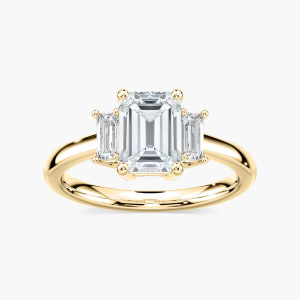
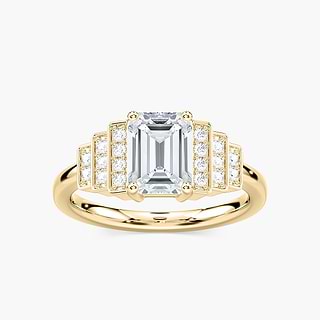
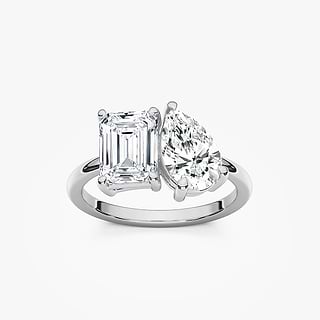
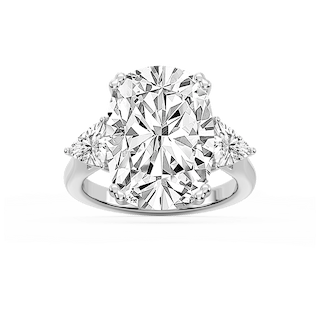
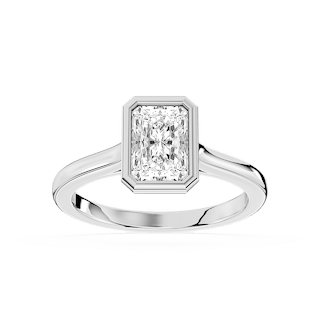
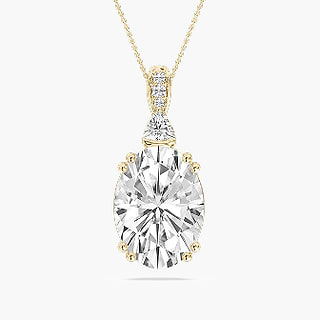
Diamond shape: Elongated shapes – cushion, oval, marquise, pear, emerald – have more surface area for the same carat weight, so they tend to look larger face-up than a round or cushion cut of identical weight.
Approximate Diameter by Carat Weight (Round Brilliant Cut)
Carat Weight
Approx. Diameter
0.50 ct
5.1mm
0.75 ct
5.8mm
1.00 ct
6.5mm
1.50 ct
7.4mm
2.00 ct
8.1mm
2.50 ct
8.7mm
These are industry-standard approximations — actual measurements vary by cut quality. Every diamond in our collection lists its exact millimeter dimensions on the product page, so you can compare real measurements rather than estimates.
Which Diamond Carat Size Should I Choose?
For most of diamond history, a 2.0ct+ engagement ring sat firmly out of reach for most buyers. Mined diamonds don't scale evenly in price with size – the cost climbs sharply as carat weight increases, since larger rough stones are exponentially rarer to find. Lab-grown diamonds changed that equation entirely. Because production isn't limited by what can be pulled from the earth, carat weights that required a second mortgage are now within reach for buyers working with far more realistic budgets.
As the original lab-grown fine jeweler since 2005, we've watched this shift firsthand: buyers who once assumed they'd settle for 0.5ct to 1.0ct are increasingly choosing 2.0ct and above – not by stretching their budget, but by choosing lab-grown. That makes it easier to prioritize the cut, clarity, and color grades that actually affect how a diamond looks — without carat weight alone dictating the decision.
Frequently Asked Questions About Diamond Carat Size
What is a good carat size for an engagement ring?
There's no universal "right" carat size. It depends on personal style, hand size, and budget. Many buyers find that stones just around 1.5ct - 2.0ct offer the best balance of visual size and value, while others prioritize a larger carat weight and choose a shape or setting that makes it look even bigger.
Does carat weight determine a diamond's price?
Carat weight is one factor in price, but not the only one. Cut, color, and clarity all play a role, which is why two diamonds of the same carat weight can be priced very differently.
What's the difference between carat and karat?
Carat measures the weight of a diamond or gemstone. Karat measures the purity of gold, such as 14k or 18k. They're pronounced the same way but refer to entirely different things.
Can I get a bigger-looking diamond without more carat weight?
Yes. Choosing an elongated shape like oval or marquise, or a well-proportioned cut, can make a diamond appear larger than its carat weight alone would suggest.
How is a lab-grown diamond's carat weight certified?
Each lab-grown diamond is independently weighed and graded, with carat weight documented alongside cut, color, and clarity. MiaDonna's diamonds are certified by IGI, the leading authority for lab-grown diamond grading.