

















Unlocking the Secret to Maximum Sparkle
When choosing a diamond, cut is the most critical factor influencing its brilliance, fire, and scintillation. Carat weight and clarity get most of the attention, but cut is what determines how light actually interacts with a diamond, making it the single biggest driver of how a diamond looks, not just how it's graded. This guide explains why cut matters and how to choose the right one for your ring.
At MiaDonna, our lab-grown diamonds are precision-cut for maximum brilliance. Because they're chemically and physically identical to mined diamonds, they deliver the same fire and sparkle – grown, not mined.

What Is Diamond Cut?
Diamond cut refers to how a diamond is shaped and faceted from its rough form. It's not the same as diamond shape (round, oval, pear, and so on), which describes the diamond's outline. Cut determines how light enters, reflects, and exits the stone — a well-cut diamond maximizes light return, while a poorly cut one appears dull or lifeless regardless of its shape.
Why Diamond Cut Matters Most
Of the 4Cs, cut is the only one entirely determined by human skill rather than the stone's natural properties. Carat weight, color, and clarity describe what a diamond is — cut determines what a diamond does with light. A diamond with an excellent cut delivers the brilliance and dazzle people expect; a poorly cut diamond can look flat even with strong marks in every other category.
How Is Diamond Cut Graded?
Diamond cut grades evaluate how well a diamond's proportions, symmetry, and polish work together to reflect light, using an industry-standard scale for round brilliant diamonds:
| Grade | What It Means |
|---|---|
| Excellent / Ideal | Maximum brilliance, fire, and scintillation |
| Very Good | High brilliance and fire, with slightly less sparkle than Excellent |
| Good | Decent brilliance, with some light loss from minor proportion issues |
| Fair | Limited brilliance and noticeable dullness |
| Poor | Significant light leakage, resulting in a lifeless appearance |
MiaDonna's diamonds are certified by IGI, the leading grading authority for lab-grown diamonds, using cut grades of Ideal, Excellent, Very Good, Fair, and Poor. We exclusively offer diamonds graded Good or higher, so every stone meets our standard for brilliance.
What Determines a Diamond's Cut Grade?
Proportions
Proportions describe the relationships between a diamond's dimensions — depth, width, and angles — which together determine how light reflects and refracts inside the stone.
- Table size: The flat top facet of the diamond. Ideal range is roughly 50–62% of the diamond's total width for maximum brilliance.
- Depth percentage: The diamond's height from culet to table, as a percentage of its diameter. 58–62% is considered optimal for round diamonds.
- Crown angle: The angle of the upper portion of the diamond. A balanced crown angle, typically 31–36 degrees, refracts light beautifully into the stone.
- Pavilion angle: The angle of the lower portion, ideally 40–41 degrees for round diamonds, which reflects light back up through the crown.
- Girdle thickness: The thin edge separating crown and pavilion. Too thick and the diamond can look smaller for its weight; too thin and it's prone to chipping. A "thin to slightly thick" girdle is ideal.
Symmetry
Symmetry refers to how precisely a diamond's facets align. Facets act like tiny mirrors — when they're misaligned, an off-center table or culet, or uneven girdle thickness can cause light to escape unevenly, reducing overall brilliance.
Polish
Polish describes the smoothness of a diamond's surface, which affects how cleanly it reflects light:
- Excellent/Ideal: No visible polish marks under 10x magnification
- Very Good: Minor marks, difficult to detect
- Good/Fair: Noticeable marks that can affect brilliance
- Poor: Obvious marks that significantly reduce light reflection
Cutting Style
- Brilliant cut: Triangular and kite-shaped facets built to maximize brilliance — common in round, princess, and cushion cuts.
- Step cut: Long, rectangular facets that create a hall-of-mirrors effect, emphasizing clarity over brilliance — common in emerald and Asscher cuts.
- Mixed cut: Combines brilliant and step-cut elements for a balance of sparkle and elegance — common in radiant cuts.
Brilliance, Fire, and Scintillation: How Cut Creates Sparkle
Cut is responsible for three distinct visual effects, and a well-cut diamond balances all three:
- Brilliance: The white light reflected from the diamond's surface and interior.
- Fire: The flashes of rainbow color created as light disperses through the stone.
- Scintillation: The sparkle you see as the diamond, or the light around it, moves.
Popular Diamond Cuts and Their Characteristics
Round Cut
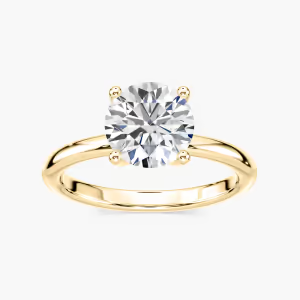
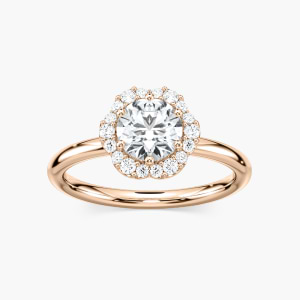
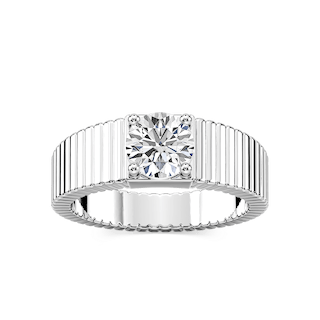
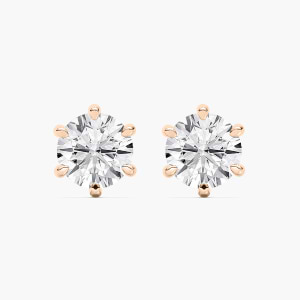
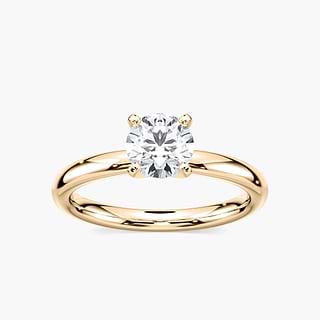
The most classic and popular diamond shape, with 58 facets engineered to maximize light reflection and brilliance. Versatile in nearly any setting, especially solitaires and halos. Best for: buyers who want maximum brilliance and fire in a timeless shape.
Princess Cut
A square or rectangular cut with sharp corners and a bold, contemporary look. The second most popular cut after round, often chosen for a modern aesthetic. Best for: a sleek, geometric style with strong sparkle.
Cushion Cut
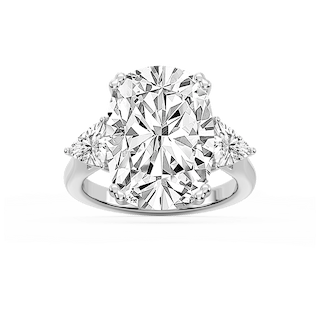
A square or rectangular shape with rounded corners, resembling a pillow. Blends vintage charm with a brilliant or modified-brilliant facet pattern. Best for: a romantic, vintage-inspired look with softer lines.
Emerald Cut
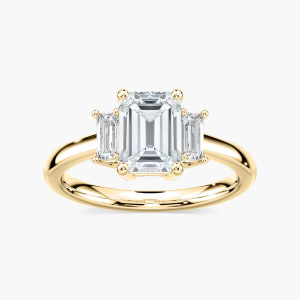
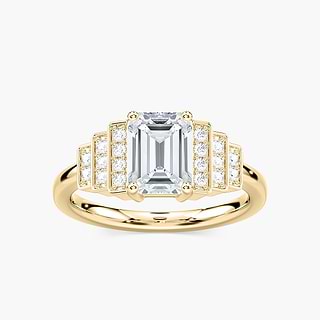
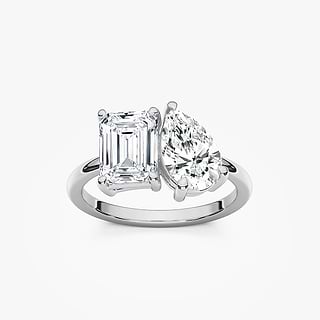
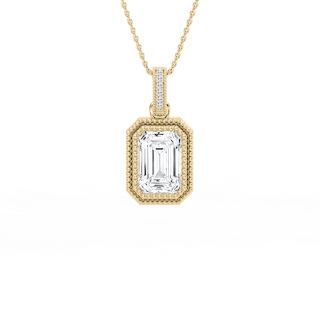
A rectangular step cut with large, open facets that create a hall-of-mirrors effect, emphasizing clarity and color over sparkle. Best for: buyers who value clarity and understated, refined elegance.
Oval Cut
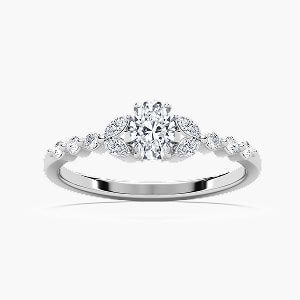
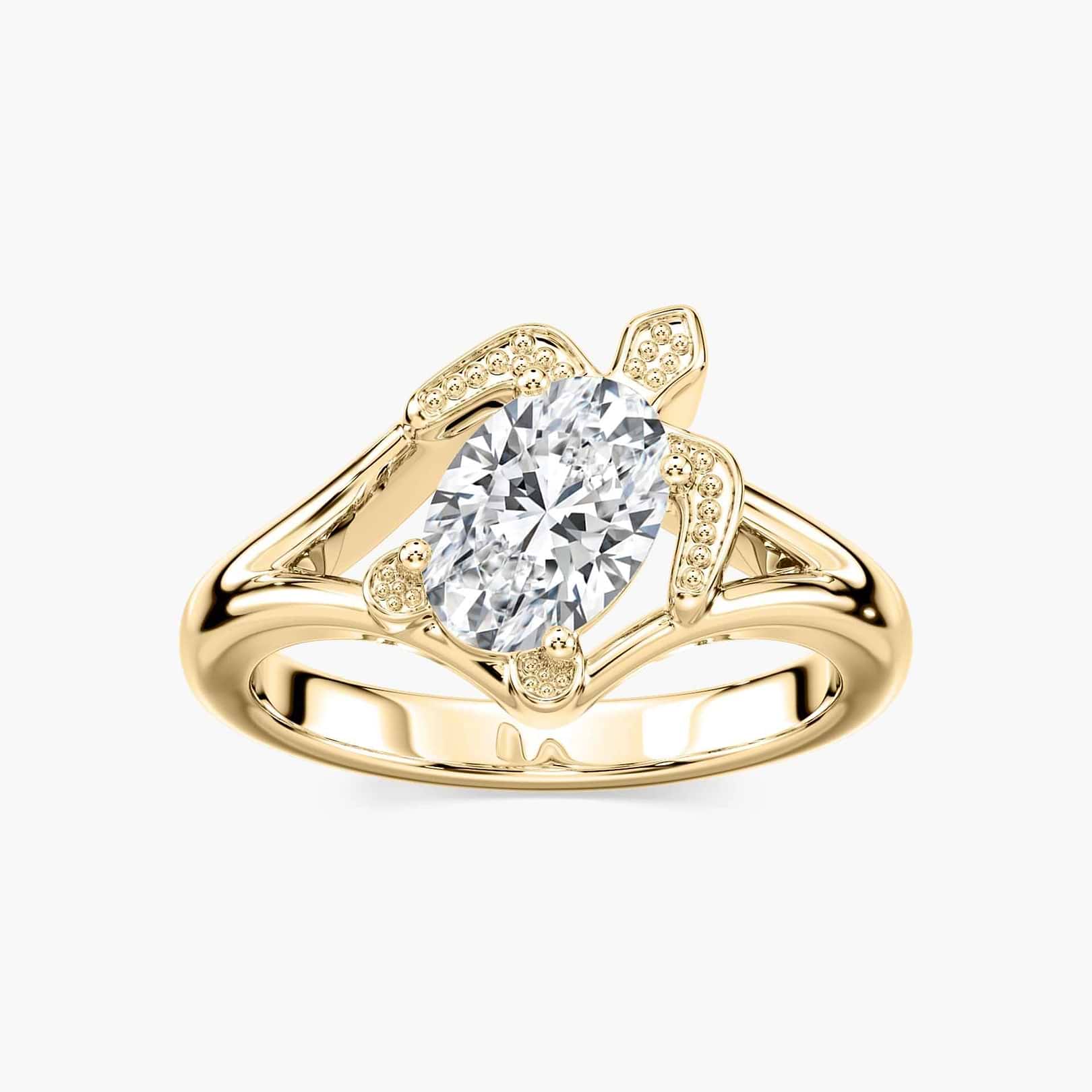
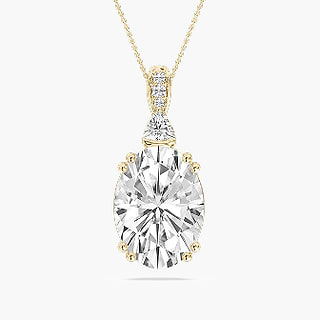
An elongated version of the round cut, with brilliance to match and a shape that can make the diamond appear larger for its carat weight. Best for: a non-traditional shape that reads larger face-up.
Marquise Cut
An elongated shape with pointed ends, resembling a boat or football, that maximizes visual size per carat. Best for: a dramatic, elongated silhouette.
Pear Cut
A teardrop shape combining round and marquise influences, with strong brilliance. Requires a protective setting for the pointed tip. Best for: a graceful, feminine design with plenty of sparkle.
Heart Cut
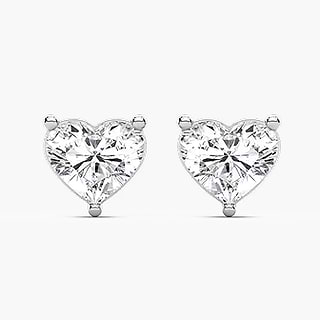
A romantic, symbolic shape requiring precise cutting to achieve symmetry. Best for: a meaningful, personalized piece.
Radiant Cut
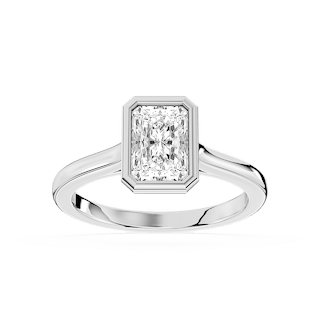
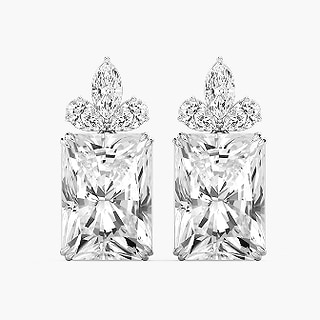
A square or rectangular shape with cropped corners, blending step-cut structure with brilliant-cut faceting for a bold, modern sparkle. Best for: buyers who want brilliance with a contemporary silhouette.
How to Choose the Best Diamond Cut for You
- Personal style: Classic shapes like round, or modern cuts like princess and radiant.
- Budget: Higher cut grades typically cost more, but a Very Good cut can offer excellent brilliance at a more moderate price point.
- Ring setting: Round diamonds shine in solitaires; emerald and Asscher cuts suit vintage-inspired settings.
- Lifestyle: For active lifestyles, a secure setting — bezel or protective prong styles — helps guard the stone, particularly for pointed shapes like pear or marquise.
How Does Cut Grade Affect Diamond Price?
Cut grade has a significant effect on price. Excellent and Ideal grades cost more because of their superior light performance, but a Very Good cut can offer very similar visual brilliance at a more moderate cost, similar to how carat weight just under a full-carat threshold can meaningfully reduce price with minimal visual difference. If you're balancing budget against sparkle, cut grade is one of the most effective places to make that trade-off carefully.
Why Choose MiaDonna for Your Diamond Cut
As the original lab-grown fine jeweler since 2005, precision cutting has always been core to what we offer. Every MiaDonna diamond is IGI-certified and precision-cut for brilliance, giving you the same fire and sparkle as a mined diamond — grown, not mined, and guilt-free by design.
Frequently Asked Questions About Diamond Cut
What is the best diamond cut for brilliance?
Round brilliant cuts are generally considered the top performer for brilliance, thanks to a 58-facet pattern engineered specifically to maximize light return. Other brilliant-style cuts, like princess and radiant, also perform well.
What's the difference between diamond cut and diamond shape?
Shape describes a diamond's outline — round, oval, pear, and so on. Cut describes how precisely that shape was faceted and proportioned, which determines how well it reflects light. Two diamonds can share the same shape but have very different cut grades.
Does cut grade affect price more than carat weight?
Both affect price, but cut grade has an outsized impact on how a diamond actually looks. A diamond with a lower cut grade can appear noticeably duller even at a higher carat weight, which is why many jewelers recommend prioritizing cut over size.
Is an Excellent or Ideal cut worth the extra cost?
For maximum brilliance, yes — but a Very Good cut is a strong middle ground, offering close-to-Excellent sparkle at a lower price point.
How is a lab-grown diamond's cut graded?
The same way a mined diamond's cut is graded — by evaluating proportions, symmetry, and polish. MiaDonna's lab-grown diamonds are certified by IGI, which grades cut on a scale of Ideal, Excellent, Very Good, Fair, and Poor.
Ready to find your perfect cut? Explore MiaDonna's Lab-Grown Diamond Collection to get started.

