










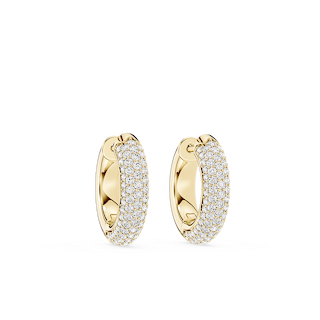
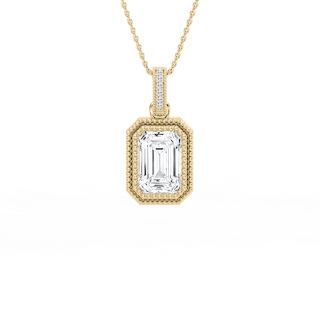




Choosing the Right Metal for Your Setting
Choosing between white gold, yellow gold, rose gold, platinum, and palladium is largely a style decision — but your metal choice also affects how your setting wears, how it's maintained, and where it falls on price. Here's what to know about each option before you decide.
A few factors are worth weighing beyond color alone:
- Durability: How well the metal resists scratching, chipping, and daily wear
- Maintenance: Whether the finish needs periodic upkeep to stay looking its best
- Skin sensitivity: Some metals contain alloys that can trigger reactions in sensitive skin
- Price: Metal choice can shift the cost of an otherwise identical setting
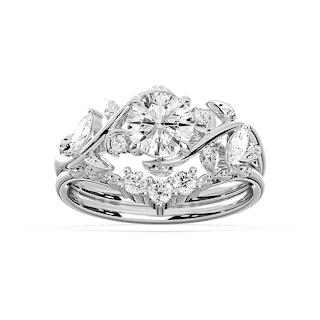
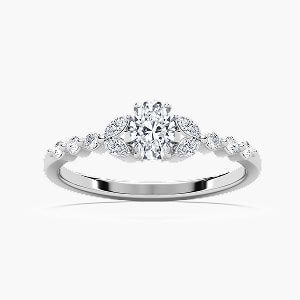
White Gold
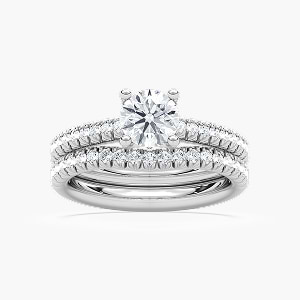
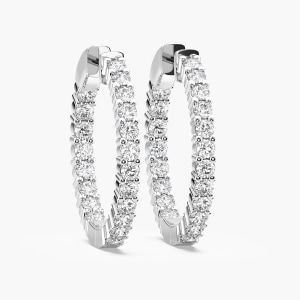
White gold isn't naturally white — pure gold is mixed with other white metals to achieve its color, strength, and durability.
Composition
- 14K White Gold: 58.5% fine gold, 12% copper, 8% nickel, 6% zinc, 4.5% silver
- 18K White Gold: 75% fine gold, 10% copper, 8% nickel, 4.5% zinc, 2.5% silver
Durability & Wear
14K gold contains a higher proportion of alloy metal, which generally makes it more resistant to wear than 18K. Both will show wear over time, and white gold's bright finish will yellow slightly as its rhodium plating wears — a normal part of owning white gold, not a flaw.
Maintenance
White gold jewelry can be repolished and re-plated in rhodium to restore its finish. Most qualified jewelers can perform this service.
Price
14K is the more accessible option and the most common choice among everyday buyers. 18K contains a higher percentage of gold and typically costs somewhat more for a comparable setting.
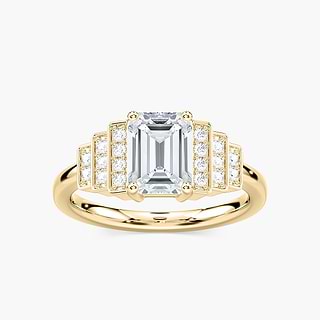
Yellow Gold
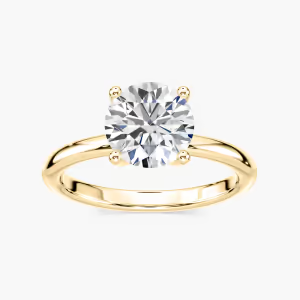
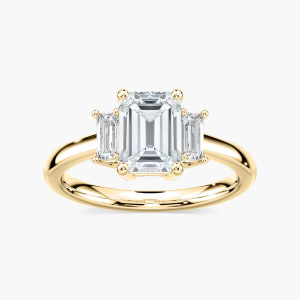
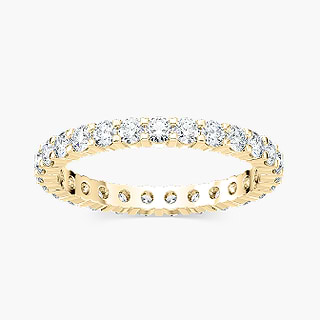
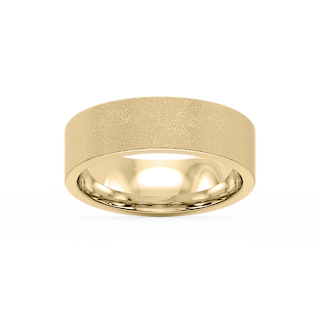
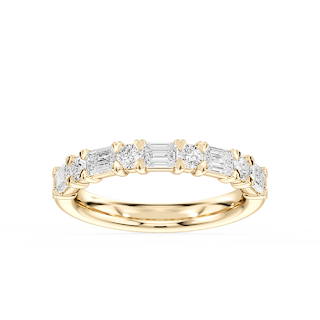
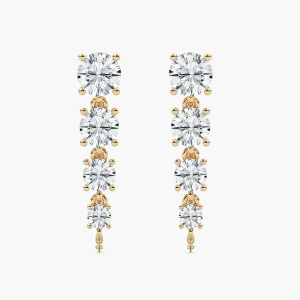
Yellow gold is created by combining gold with copper and silver. Unlike white or rose gold, yellow gold doesn't need other metals to achieve its color — it's the only gold type that can be 24 karat, or 100% pure.
Composition
- 14K Yellow Gold: 58.5% fine gold, 29% copper, 12.5% fine silver
- 18K Yellow Gold: 75% fine gold, 15% copper, 10% fine silver
Durability & Wear
Because it doesn't require rhodium plating, yellow gold tends to hold its finish and color more consistently over time than white gold, with a warmer tone that some buyers find hides everyday wear more forgivingly.
Rose Gold
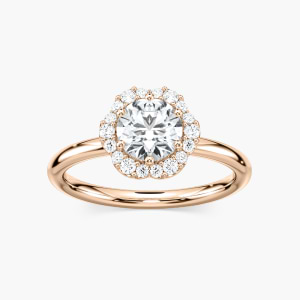
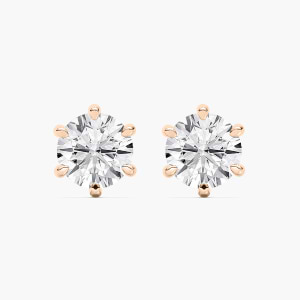
Rose gold gets its signature pink hue from a blend of traditional yellow gold and copper — a higher copper content than yellow gold, which is also what gives it a reputation for being one of the more durable gold tones.
Composition
Rose gold is typically composed of approximately 75% gold and 25% copper-silver alloy.
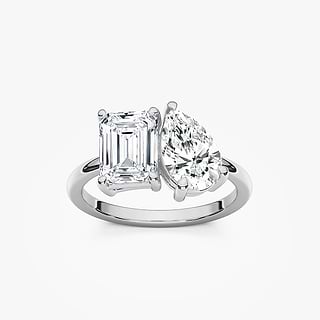
Platinum
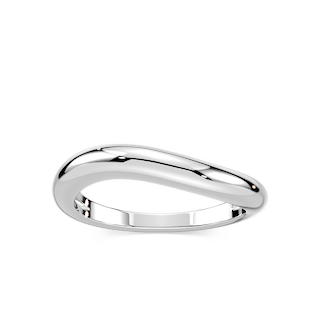
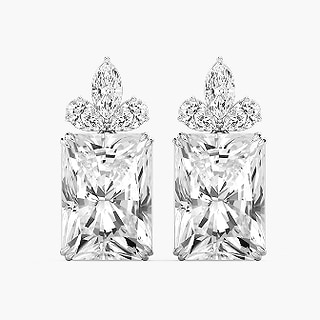
Platinum is one of the strongest and most durable metals used in fine jewelry. It doesn't require alloying for strength or rhodium plating for its finish, and its purity makes it naturally hypoallergenic — an important consideration for buyers with nickel sensitivities.
Composition
95.2% platinum, 4.8% iridium
Durability & Wear
When scratched or dented, platinum retains its metal rather than losing it, unlike gold. Over time, platinum develops a soft surface sheen known as patina — considered a desirable, natural sign of a well-worn piece rather than damage.
Maintenance
Platinum can be repolished and repaired without issue, though many owners choose to let their patina develop naturally rather than restoring the original high polish.
Price
Platinum sits at the highest end of the metal price range and can meaningfully exceed the cost of a comparable 14K gold setting — sometimes close to double, depending on the design.
Palladium
Palladium belongs to the same metal family as platinum and shares many of its advantages — naturally white, durable, and hypoallergenic — while typically being lighter in weight. It's a strong option for buyers who want platinum's properties in a setting that feels lighter on the hand.
Metal Comparison at a Glance
| Metal | Typical Composition | Durability | Best For |
|---|---|---|---|
| 14K White Gold | 58.5% gold + alloy | Strong, resists wear well | Buyers who want a bright white finish at the most accessible price |
| 18K White Gold | 75% gold + alloy | Slightly softer than 14K | Buyers who prioritize higher gold content |
| Yellow Gold | 58.5–75% gold + copper/silver | Holds finish well, no replating needed | Classic warm-toned styles, low-maintenance wear |
| Rose Gold | ~75% gold + copper alloy | Very durable due to copper content | Romantic, vintage-inspired designs |
| Platinum | 95.2% platinum + iridium | Extremely durable, retains metal | Sensitive skin, buyers who want a lifetime patina |
| Palladium | Platinum-family alloy | Durable, naturally white | Platinum-like properties in a lighter-weight setting |
A Note on Our Metals
Every MiaDonna setting is crafted using recycled precious metals — solid gold, 950 platinum, and 950 palladium — sourced from refineries chosen for their environmental and ethical standards. It's one part of how we approach responsible sourcing across every piece we make.
Frequently Asked Questions About Jewelry Metals
What's the difference between 14K and 18K gold?
The karat number reflects gold purity — 18K contains more pure gold (75%) than 14K (58.5%). 14K is generally more resistant to daily wear due to its higher alloy content, while 18K offers a richer gold tone at a higher price.
Is white gold actually white?
Not naturally. White gold is created by alloying pure gold with white metals and finishing it with a rhodium plating, which gives it its bright white shine. That plating wears over time and can be restored through repolishing.
Will white gold change color over time?
Yes — as the rhodium plating wears, white gold can take on a slightly warmer, yellow tone. This is normal and easily corrected with a repolish and re-plating.
Is platinum hypoallergenic?
Yes. Platinum's purity means it doesn't require nickel or other alloys that commonly trigger skin sensitivities, making it a strong choice for buyers with metal allergies.
Which metal is most durable?
Platinum is generally considered the most durable, since it retains its metal when scratched or dented rather than losing material the way gold can.
Does MiaDonna use recycled precious metals?
Yes. All MiaDonna settings are crafted using a high percentage of recycled gold, platinum, and palladium, sourced from refineries selected for their environmental and ethical standards.


<div class="dynamic-checkout__content" id="dynamic-checkout-cart" data-shopify="dynamic-checkout-cart"> <shopify-accelerated-checkout-cart wallet-configs="[{"supports_subs":true,"supports_def_opts":false,"name":"shop_pay","wallet_params":{"shopId":11644258,"merchantName":"MiaDonna","personalized":true}},{"supports_subs":false,"supports_def_opts":false,"name":"amazon_pay","wallet_params":{"checkoutLanguage":"en_US","ledgerCurrency":"USD","placement":"Cart","sandbox":false,"merchantId":"A3BQAGRLR11F3M","productType":"PayAndShip","design":"C0002"}},{"supports_subs":true,"supports_def_opts":false,"name":"paypal","wallet_params":{"shopId":11644258,"countryCode":"US","merchantName":"MiaDonna","phoneRequired":false,"companyRequired":false,"shippingType":"shipping","shopifyPaymentsEnabled":true,"hasManagedSellingPlanState":false,"requiresBillingAgreement":false,"gatewayType":"MANAGED","merchantId":"M6M9J47C47X24","sdkUrl":"https://www.paypal.com/sdk/js?components=buttons\u0026commit=false\u0026currency=USD\u0026locale=en_US\u0026client-id=AbasDhzlU0HbpiStJiN1KRJ_cNJJ7xYBip7JJoMO0GQpLi8ePNgdbLXkC7_KMeyTg8tnAKW4WKrh9qmf\u0026merchant-id=M6M9J47C47X24\u0026intent=authorize","serviceableCountryCodes":["AC","AD","AE","AF","AG","AI","AL","AM","AO","AR","AT","AU","AW","AX","AZ","BA","BB","BD","BE","BF","BG","BH","BI","BJ","BL","BM","BN","BO","BQ","BR","BS","BT","BW","BY","BZ","CA","CC","CD","CF","CG","CH","CI","CK","CL","CM","CN","CO","CR","CV","CW","CX","CY","CZ","DE","DJ","DK","DM","DO","DZ","EC","EE","EG","EH","ER","ES","ET","FI","FJ","FK","FO","FR","GA","GB","GD","GE","GF","GG","GH","GI","GL","GM","GN","GP","GQ","GR","GS","GT","GW","GY","HK","HN","HR","HT","HU","ID","IE","IL","IM","IN","IO","IQ","IS","IT","JE","JM","JO","JP","KE","KG","KH","KI","KM","KN","KR","KW","KY","KZ","LA","LB","LC","LI","LK","LR","LS","LT","LU","LV","LY","MA","MC","MD","ME","MF","MG","MK","ML","MM","MN","MO","MQ","MR","MS","MT","MU","MV","MW","MX","MY","MZ","NA","NC","NE","NF","NG","NI","NL","NO","NP","NR","NU","NZ","OM","PA","PE","PF","PG","PH","PK","PL","PM","PN","PS","PT","PY","QA","RE","RO","RS","RU","RW","SA","SB","SC","SD","SE","SG","SH","SI","SJ","SK","SL","SM","SN","SO","SR","SS","ST","SV","SX","SZ","TA","TC","TD","TF","TG","TH","TJ","TK","TL","TM","TN","TO","TR","TT","TV","TW","TZ","UA","UG","UM","US","UY","UZ","VA","VC","VE","VG","VN","VU","WF","WS","XK","YE","YT","ZA","ZM","ZW"]}}]" access-token="4fc8561c8fa34564717a211ecb94441b" buyer-country="US" buyer-locale="en" buyer-currency="USD" shop-id="11644258" cart-id="1ca063c09ab942b88de2ebadc12da662" enabled-flags="["1172c16a","a1d1f9a1","f5afabb3","370070f3","b311f899"]" > <div class="wallet-button-wrapper"> <ul class='wallet-cart-grid wallet-cart-grid--skeleton' role="list" data-shopify-buttoncontainer="true"> <li data-testid='grid-cell' class='wallet-cart-button-container'><div class='wallet-cart-button wallet-cart-button__skeleton' role='button' disabled aria-hidden='true'> </div></li><li data-testid='grid-cell' class='wallet-cart-button-container'><div class='wallet-cart-button wallet-cart-button__skeleton' role='button' disabled aria-hidden='true'> </div></li><li data-testid='grid-cell' class='wallet-cart-button-container'><div class='wallet-cart-button wallet-cart-button__skeleton' role='button' disabled aria-hidden='true'> </div></li> </ul> </div> </shopify-accelerated-checkout-cart> </div>

